
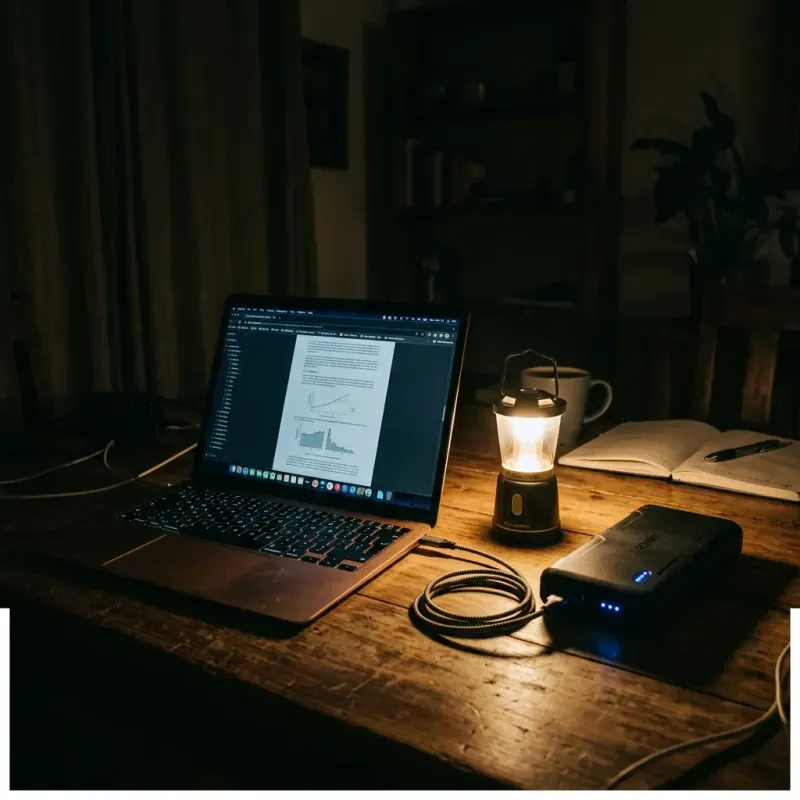
Load shedding is an unavoidable part of South African life, but keeping your lights on, phone charged, and Wi-Fi running does not have to cost a fortune. You do not need a R150,000 solar installation to stay powered through the dark hours. Here is a practical, budget-first guide to backup power options for every price range, and how to choose the right one for your home.
Start by Working Out What You Actually Need
Before spending anything, list the essentials you want to keep running during an outage. For most households, that is lights, phones, Wi-Fi, and perhaps a laptop or television. Powering these small devices is cheap. Powering large appliances like a stove, geyser, or kettle is expensive and usually not worth it for the average home. Matching your solution to your real needs is the biggest money-saver.
Budget Option: Rechargeable Lights and Power Banks (from about R150)
The cheapest entry point is rechargeable LED lights, headlamps, and a good power bank for your phone. A 20,000mAh power bank can charge a phone several times and costs a few hundred rand. This will not run your router, but it keeps you connected and safe, and it is where most households should start.
Mid-Range Option: A Portable Power Station or Inverter Trolley (about R2,000 to R8,000)
A portable power station (a large battery with plug points and USB ports) can run your Wi-Fi router, charge laptops and phones, and power a few lights for the duration of most outages. Smaller units start around R2,000, while larger ones that also run a TV cost more. An inverter trolley does a similar job. This is the sweet spot for keeping a home office or family connected without a permanent installation. If you work from home, keeping your router powered is essential, as covered in our guide to remote work during load shedding.
Higher-End Option: Inverter and Battery System (R15,000 and up)
A fixed inverter and battery system, installed by a qualified electrician, can automatically power selected circuits in your home when the electricity goes off. This is a proper investment and should be sized by a professional. It is worth it for households that need reliable power for medical equipment, a home business, or simply long-term convenience, but it is not necessary just to survive an outage.
Solar: The Long-Term Play
Adding solar panels to a battery system reduces your reliance on the grid and lowers your electricity bill over time. It is the most expensive upfront option but offers the best long-term value if you can afford it. Get multiple quotes and make sure the installer is reputable and certified.
Safety and Money-Saving Tips
- Never run a petrol generator indoors or in an enclosed space, as it produces deadly carbon monoxide.
- Charge everything during the day or when power is on, so you are ready for the next slot.
- Use gas for cooking, which is far cheaper than trying to run a stove off batteries.
- Buy only the capacity you need. Oversized systems waste money on power you will never use.
How to Keep Your Food and Home Safe During Outages
Backup power is only part of surviving load shedding well. A few extra habits protect your food, your appliances, and your home:
- Keep the fridge and freezer closed. A full freezer stays cold for around 24 hours if you do not open it, so avoid checking inside during an outage.
- Freeze bottles of water to fill empty freezer space. They help everything stay colder for longer and give you cold water when thawed.
- Switch off and unplug sensitive electronics before the power returns, because the surge when electricity comes back can damage TVs, computers, and appliances.
- Fit surge protection on expensive equipment for an affordable layer of insurance.
- Keep a torch, power bank, and gas lighter in a known spot so you are never caught scrambling in the dark.
These simple steps cost almost nothing and prevent the most common and expensive load shedding headaches, from spoiled groceries to a fried television.
Frequently Asked Questions
What is the cheapest way to survive load shedding?
The cheapest effective setup is rechargeable LED lights, a headlamp, and a large power bank for your phone, which together cost only a few hundred rand. Add a gas cooker for meals. This keeps you lit, connected, and fed during outages without any major expense.
What can a portable power station run during load shedding?
A mid-range portable power station can comfortably run a Wi-Fi router, charge phones and laptops, and power a few LED lights for several hours. Larger units can also run a television or a small fridge for a limited time. They cannot run high-draw appliances like kettles, stoves, or geysers for long.
Is it worth installing solar for load shedding?
Solar is worth it if you can afford the upfront cost and want long-term savings on your electricity bill alongside backup power. For pure load shedding survival, a portable power station or inverter is far cheaper. Solar makes the most sense as a long-term investment rather than a quick fix.
How big a power station do I need for my home?
Add up the wattage of the devices you want to run and how many hours you need them. For lights, Wi-Fi, and device charging, a smaller unit is enough. To also run a TV or small fridge, you need a larger capacity. When unsure, ask the supplier to help you size it to your actual device list rather than overbuying.