
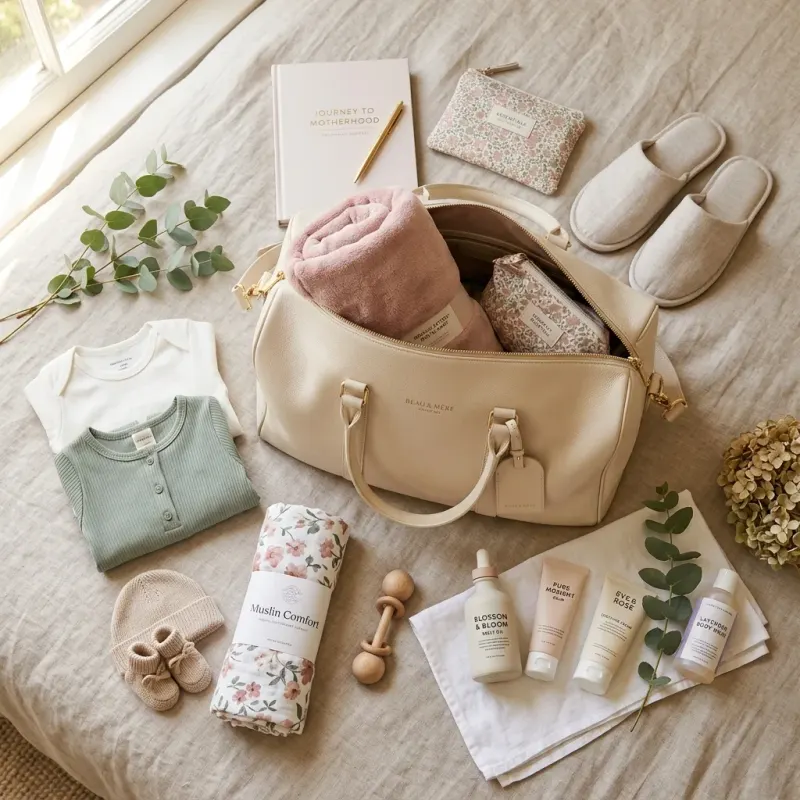
Whether you are a first-time mother or adding to your family, the hospital bag is one of those tasks that feels overwhelming until you have a clear, comprehensive list. South African hospitals — whether you are delivering at a Netcare, Mediclinic, Life Healthcare private facility, or a public hospital — have specific requirements and culture around what to bring. This guide covers everything: what to pack, what to leave at home, how to prepare differently for a natural birth versus a C-section, and how to handle the early postpartum days with confidence.
When to Pack Your Hospital Bag
Have your hospital bag fully packed and placed near the front door by 36 weeks of pregnancy. Premature labour can start with little warning, and the last thing you want during early contractions is to scramble looking for your medical aid card or your baby's coming-home outfit. If you are carrying multiples or have a high-risk pregnancy, aim for 32 to 34 weeks.
Private vs Public Hospital: What to Know
If you are delivering at a private hospital (Netcare, Mediclinic, Life Healthcare), they typically provide basic toiletries, hospital gowns, and some baby essentials, but the standard of provision varies significantly by facility. Call the maternity ward at 34 weeks to confirm what is provided.
If you are delivering at a public hospital (Groote Schuur, Chris Hani Baragwanath, Charlotte Maxeke, etc.), plan to bring everything yourself. Public maternity wards are under immense resource pressure and while the clinical care is often excellent, you cannot rely on being provided with toiletries, pads, or additional baby clothing beyond the basics.
For Mom: Clothing and Comfort
- 2 to 3 pairs of comfortable pyjamas: Choose ones that button or zip at the front if you plan to breastfeed. Dark colours are practical — postpartum bleeding and leaking breasts are a reality. Pack enough for a 2 to 3 night stay minimum (C-sections often require 3 to 4 nights).
- A comfortable robe or gown: For walking the corridors during early labour or after delivery. Something soft and easy to put on one-handed while holding a baby.
- Warm socks and slippers: Hospital floors are cold and hard. Non-slip soles are important — you may feel light-headed in the first 24 hours after delivery.
- A going-home outfit: Something loose and comfortable. Your stomach will still look pregnant for several weeks after delivery. A loose dress or maternity leggings and a long top work well.
- Supportive bra: A soft nursing bra or sleep bra. Avoid underwire for at least the first few weeks while breastfeeding is establishing.
For Mom: Maternity Pads and Hygiene
- Maternity pads: Pack at least 2 full packs of the heaviest maternity pads available (Dis-Chem, Clicks, and most pharmacies stock them). Postpartum bleeding (lochia) is significantly heavier than a regular period for the first few days. Do not use tampons or menstrual cups during this period.
- High-waisted cotton underwear: Pack 5 to 7 pairs. If you have a C-section, high-waisted knickers will not rub against your incision. Many mums use cheap disposable underwear for the first few days.
- Peri bottle: A squeeze bottle for rinsing after using the toilet is a lifesaver for perineal soreness after a vaginal birth. Many SA hospitals do not provide these.
- Witch hazel pads or cooling maternity pads: Gel-infused maternity pads you can chill in the hospital fridge. Available at Dis-Chem and Clicks. Invaluable for perineal swelling and discomfort after vaginal delivery.
For Mom: Toiletries
- Travel-sized shampoo, conditioner, body wash, face wash
- Toothbrush and toothpaste
- Deodorant and moisturiser
- Lip balm (hospital air is dry and breathing exercises during labour are drying)
- Dry shampoo (for days when a full shower is not possible)
- Face wipes for quick freshening up
- Hair ties — lots of them
For Mom: Breastfeeding Essentials
- Lanolin nipple cream (Lansinoh or Medela): Start applying from the first feed. Cracked nipples are the most common reason women stop breastfeeding in the first week — lanolin prevents and heals this.
- Breast pads: Pack both disposable and reusable for the hospital. Your milk will come in on day 2 to 4 and engorgement can cause significant leaking.
- A nursing pillow: A small travel-sized breastfeeding pillow supports the baby at the right height and reduces shoulder and back strain during long feeds.
For Mom: Nutrition and Hydration
Hospital food is rarely available on demand, and labour and early postpartum recovery are physically exhausting. Pack:
- Energy bars, oat bars, or trail mix
- Biltong or droewors (protein-dense, no refrigeration needed)
- Electrolyte sachets or sports drinks (Powerade, Rehidrat)
- A reusable water bottle with a straw — you will be drinking constantly during labour, and a straw is easier when you cannot sit up
- Mints or chewing gum for dry mouth during active labour
For Mom: Tech and Entertainment
- Phone charger with a long cable (hospital plug points are rarely next to the bed)
- Portable power bank
- Earphones and a tablet or phone with downloaded shows, podcasts, or hypnobirthing audio
- A small Bluetooth speaker if you have a birth playlist
For Baby: Newborn Essentials
- 5 to 6 babygrows and vests: Newborn or 0-3 month size. Babies go through multiple outfits per day. Look for babygrows with built-in scratch mitts.
- A warm beanie and socks: Newborns lose heat rapidly through their heads, even in summer with hospital air-conditioning.
- A going-home outfit: Comfortable and easy to put on. For car seat safety, avoid very bulky snowsuit-style outfits — a thin onesie under a blanket is safest.
- 1 full pack of newborn nappies (size 0 or 1): Pampers, Huggies, and Clicks own brand are all widely available in SA.
- Unscented sensitive baby wipes: Avoid fragranced wipes on newborn skin. Pampers Sensitive and Huggies Pure are good choices.
- Sudocrem or Fissan barrier cream: Apply at every nappy change from birth to prevent nappy rash before it starts.
- 2 to 3 receiving blankets: For swaddling, warmth, and covering during feeds. Muslin swaddle blankets are breathable and versatile.
Important Documents
Keep these in a clearly labelled folder at the very top of your bag:
- Your South African ID or passport
- Your partner's or support person's ID
- Medical aid card and pre-authorisation number (call your scheme at 36 weeks to get this — it speeds up hospital admission enormously)
- Your antenatal clinic card or maternity notes
- Your birth plan (keep it to one page, clear and flexible)
- Your gynaecologist and paediatrician's contact numbers
The Birth Partner's Bag
If your partner or support person is staying overnight, they need their own bag: a change of clothes, basic toiletries, phone charger and power bank, snacks and drinks, a pillow, and cash or a card for the cafeteria. They will not be able to leave easily once labour is active.
What NOT to Pack
- Jewellery and valuables: Rings, necklaces, expensive watches — leave them at home. Hospitals cannot be held responsible for lost items.
- Your entire skincare routine: One moisturiser and a face wash is enough.
- Too many baby outfits: Five to six is plenty. Overdressing a newborn risks overheating — they cannot regulate their own body temperature.
- Candles or essential oil diffusers: Not permitted in hospital wards for fire safety reasons.
- Fresh flowers: Many maternity wards restrict these due to allergy and infection control policies.
C-Section Specific Additions
If you are having a planned Caesarean, add these:
- High-waisted underwear: Critical for comfort over the incision site — the waistband must not touch your scar.
- Loose, high-waisted pyjama bottoms: Nothing with a waistband that sits on the incision.
- Post-surgical support band or belly binder: Invaluable for core support and incision comfort in the first weeks. Available at Dis-Chem and Clicks.
- Slip-on shoes: You will not be able to bend down to tie laces for the first few days.
- A pillow to hold against your incision: For coughing and getting in and out of bed — the "pillow press" significantly reduces incision pain.
Frequently Asked Questions
When should I pack my hospital bag?
By 36 weeks, or 32 to 34 weeks if you are carrying multiples or have a high-risk pregnancy. Have the bag by the front door, not in a cupboard.
Should I bring my own pillows?
Many SA moms do. Use a non-white pillowcase so it is not confused with hospital laundry. A proper pillow significantly improves sleep quality and breastfeeding positioning.
How many nights should I prepare for?
An uncomplicated vaginal birth typically requires 1 to 2 nights. A C-section typically requires 2 to 4 nights. Pack for at least 3 nights and have a family member ready to bring extra items if needed.
What if my baby goes to the NICU?
If your baby needs NICU care, pack a small pumping kit. The hospital will typically provide a hospital-grade pump for NICU mothers, but having a portable pump at home helps maintain supply during extended stays. Medela, Spectra, and Haakaa pumps are available at Dis-Chem and Clicks.
What about postpartum mental health?
Baby blues in the first 1 to 2 weeks are normal and resolve on their own. If feelings of hopelessness, inability to bond, or intrusive thoughts persist beyond two weeks, please reach out for support. Our mental health resources guide lists free and low-cost options including the PANDA helpline (0800 005 806), specifically for perinatal mental health.