
Dark circles under the eyes are one of the most common beauty frustrations, and no amount of concealer fully fixes them if you do not address the cause. Here is a practical guide for South African women on what actually causes dark circles and how to treat them, with products you can find locally.
First, Work Out the Cause
Dark circles have different causes, and the right fix depends on yours:
- Pigmentation: genuine darkness of the skin, very common on melanin-rich skin, often hereditary.
- Shadows: caused by the structure of your face or puffiness, not actual dark skin.
- Thin skin and blood vessels: a bluish or purple tint from vessels showing through thin under-eye skin.
- Lifestyle: tiredness, dehydration, and rubbing your eyes make everything worse.
Ingredients That Help
- Vitamin C brightens pigmentation over time. See our guide to vitamin C serums in South Africa.
- Caffeine eye creams reduce puffiness and the shadows it causes.
- Niacinamide helps with pigmentation and strengthens the skin barrier.
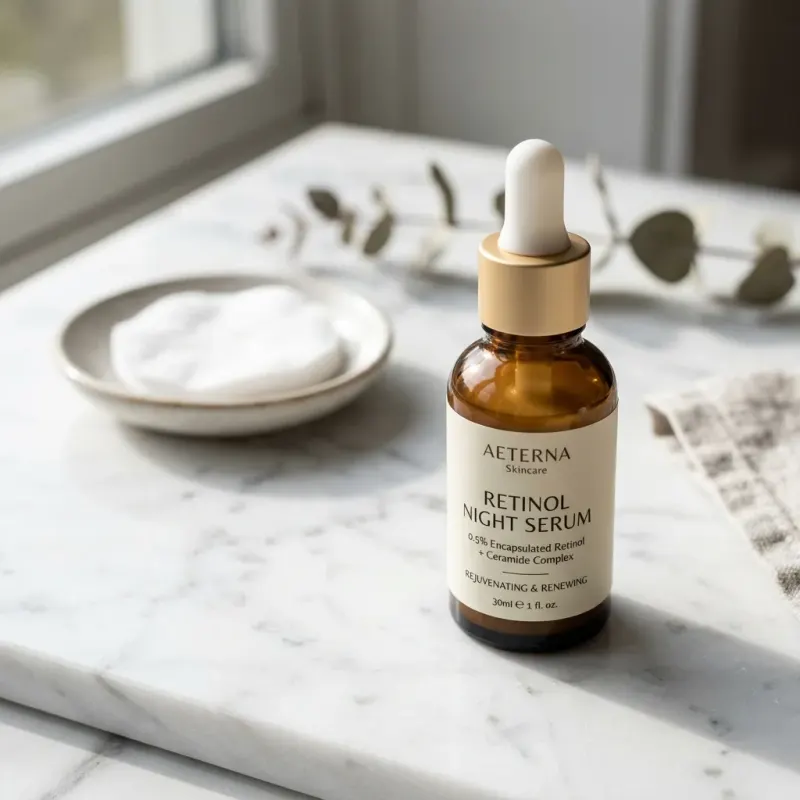
- Retinol (used gently around the eyes) thickens skin over time, but introduce it slowly.
- Sunscreen is essential, because sun worsens under-eye pigmentation just like anywhere else.
Lifestyle Fixes That Genuinely Work
- Get enough sleep, the single most visible factor for many people.
- Stay hydrated, since dehydration makes circles look worse.
- Stop rubbing your eyes, which darkens and irritates the delicate skin.
- Manage allergies, which are a hidden cause of puffiness and darkness.
How to Conceal Them Well
For instant results, a good concealer helps. Use a shade close to your skin tone, apply a small amount, and pat rather than rub. For blue or purple tones, a peach or orange-toned corrector underneath neutralises the darkness before you conceal.
When to See a Professional
If your dark circles are severe, sudden, or bother you a lot, a dermatologist can identify the exact cause and suggest targeted treatments. For deep structural shadows, skincare and concealer help but will not fully remove them.
Simple Home Remedies That Actually Help
Alongside skincare, a few low-cost habits genuinely reduce the look of dark circles:
- Cold compresses: a cold spoon, chilled tea bags, or cucumber slices reduce puffiness and shadows.
- Sleep on an extra pillow to stop fluid pooling under your eyes overnight.
- Stay hydrated throughout the day, as dehydration makes circles look worse.
- Be gentle: pat products around the eyes with your ring finger instead of rubbing.
Set Realistic Expectations
Be honest with yourself about what is achievable. Lifestyle and skincare can visibly improve dark circles, especially those caused by tiredness or pigmentation, but if yours are hereditary or structural, they may never disappear completely, and that is normal. The goal is improvement and confidence, not perfection. A well-chosen concealer will always be a quick, reliable helper on the days you want it.
Frequently Asked Questions
How do I get rid of dark circles permanently?
It depends on the cause. Pigmentation-based circles fade with brightening ingredients like vitamin C and niacinamide plus daily sunscreen, while lifestyle-based ones improve with better sleep and hydration. Structural shadows are harder to remove fully and may need a dermatologist's advice.
What is the best eye cream for dark circles in South Africa?
Look for eye creams containing caffeine (for puffiness), vitamin C or niacinamide (for pigmentation), and a gentle formula suited to the delicate eye area. Clicks and Dis-Chem stock affordable options. Consistency and sunscreen matter more than any single expensive product.
Do dark circles go away with sleep?
Lifestyle-related dark circles often improve noticeably with more sleep and better hydration. However, if your circles are caused by pigmentation or facial structure, sleep alone will not remove them, and you will need targeted skincare or professional advice.
Can I use vitamin C under my eyes?
Yes. Vitamin C is safe and helpful around the eyes for brightening pigmentation, though you should use a gentle formulation and introduce it slowly if your skin is sensitive. Always follow with sunscreen during the day to protect the results.