
Load shedding is South Africa's most exhausting domestic reality. When Stage 6 hits and you are off the grid for four to six hours at a stretch — sometimes twice a day — cooking a hot meal simply is not always possible. But that does not mean you need to eat badly. These 20 no-cook meals are filling, nutritious, quick to assemble, and use ingredients you can keep on hand during any stage of load shedding without refrigeration concerns.
Load Shedding Pantry Essentials: Stock These First
Before the meals, the pantry. A well-stocked load shedding larder makes every meal on this list possible within minutes:
- Tinned fish (tuna, pilchards, sardines)
- Tinned beans and chickpeas
- Tinned tomatoes and tomato paste
- Nut butters (peanut butter, almond butter)
- Rice cakes, crackers, and provitas
- Canned fruit and evaporated milk
- Long-life milk and UHT cream
- Dried fruit and mixed nuts
- Oats (for overnight oats)
- Honey and jam
- Olive oil and vinegar
- Hard cheeses (Gouda, cheddar — last days unrefrigerated)
- Bread (or crumpets, pittas, wraps — flatbreads last longer than sliced bread)
- Fresh vegetables with long ambient shelf life: onions, garlic, potatoes, pumpkin, carrots, cabbage
5 Breakfast Ideas
1. Overnight Oats
Prepare the night before (when the power is on): combine half a cup of rolled oats with long-life milk or yoghurt, a teaspoon of honey, and any fruit. Cover and leave in the fridge or a cool spot. By morning, you have a creamy, no-cook breakfast. Top with chopped banana, peanut butter, and a sprinkle of cinnamon. Filling for hours.
2. Peanut Butter and Banana Wrap
Spread a generous tablespoon of peanut butter on a flour tortilla or wrap. Add sliced banana and a drizzle of honey. Roll up and eat. High in protein and natural sugars — excellent fuel for a load-shedding morning when you need energy without cooking. Pairs well with long-life flavoured milk for a complete breakfast.
3. Provita and Avo Stack
Provitas are a South African staple for good reason — they are filling, versatile, and need zero preparation. Top with mashed avocado (add lemon juice or vinegar to prevent browning), sliced tomato, and a pinch of salt and pepper. If you have tinned pilchards, add a sardine for extra protein.
4. Tinned Fruit and Yoghurt Parfait
Open a tin of peaches, pears, or mixed fruit. Layer in a bowl or glass with yoghurt and a handful of granola or crushed biscuits. Top with a drizzle of honey. This takes three minutes and feels indulgent.
5. Rice Cake Protein Tower
Stack rice cakes with cream cheese or cottage cheese (if recently refrigerated), sliced cucumber, and tinned tuna or smoked salmon. Season with black pepper and fresh herbs. Light, high-protein, and completely satisfying.
5 Lunch Ideas
6. Tinned Tuna Salad Wrap
Drain a tin of tuna and mix with mayonnaise, finely chopped onion, a squeeze of lemon, and black pepper. Spoon onto a large lettuce leaf or flour tortilla with sliced tomato and cucumber. This is a complete, high-protein lunch that takes five minutes. Use flavoured tuna (lemon pepper, chilli) for extra variety without extra ingredients.
7. Chickpea and Vegetable Salad
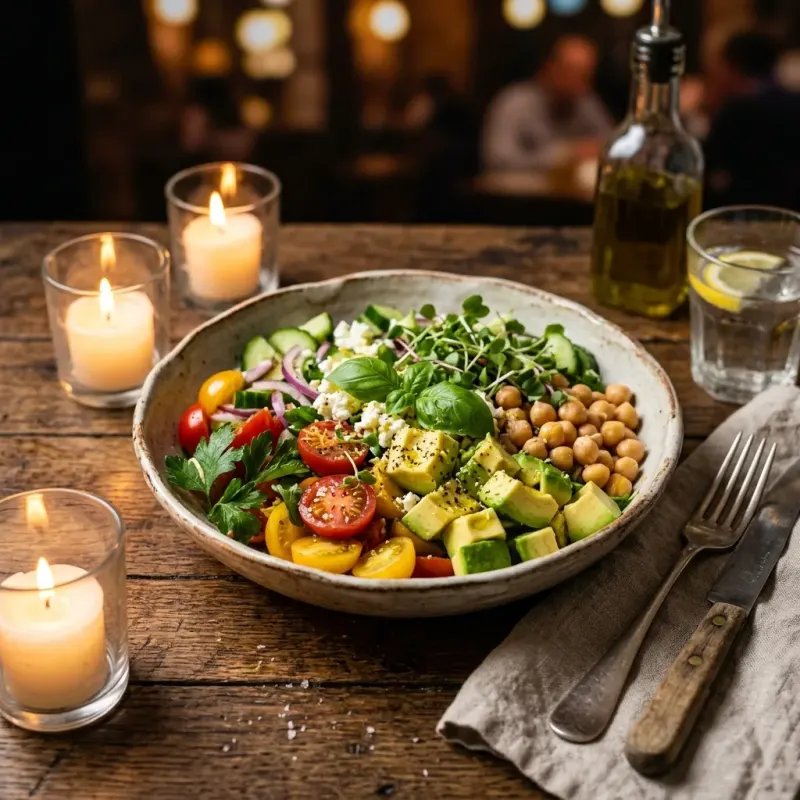
Drain and rinse a tin of chickpeas. Combine with diced cucumber, cherry tomatoes, red onion, and fresh herbs (parsley or coriander). Dress with olive oil, lemon juice, salt, and cumin. This Mediterranean-style salad is filling, nutritious, and keeps well for several hours — make extra for dinner.
8. Pilchard Sandwich on Rye
Tinned pilchards in tomato sauce are a South African institution. Open the tin, drain slightly, and spread on thick slices of rye or wholegrain bread. Top with sliced onion and a dash of Worcestershire sauce. This is arguably the most complete load-shedding meal: protein, carbs, omega-3s, and iron in one tin costing under R20.
9. Peanut Butter Noodle Bowl (Cold)
This works if you have pre-cooked noodles or instant noodles that have been soaked in boiling water (before the power goes out). Make a simple peanut sauce: two tablespoons of peanut butter, one tablespoon of soy sauce, one tablespoon of vinegar, a teaspoon of honey, and a splash of water to thin. Toss with cold noodles, grated carrot, and cucumber strips. It sounds unusual — it tastes incredible.
10. Cheese and Charcuterie Plate
Assemble a board of hard cheese (Gouda, cheddar), crackers, olives (jarred), dried fruit, nuts, and any deli meats you have. This is less a recipe than a permission slip to eat an elegant, no-cook lunch from pantry staples. Children love assembling their own plates from "fancy food."
5 Dinner Ideas
11. Bean and Vegetable Salad Bowl
Combine tinned kidney beans with diced peppers, corn (tinned), avocado, and fresh coriander. Dress with lime juice (or lemon), olive oil, cumin, and chilli flakes. Serve in a bowl with rice cakes on the side. This is a complete, plant-based protein meal that requires zero heat.
12. Caprese-Style Salad with Tinned Tomatoes
If you do not have fresh mozzarella, use cubed white cheese (feta works beautifully). Drain tinned whole tomatoes and slice roughly. Layer with cheese, fresh basil (if available), and drizzle generously with olive oil and balsamic vinegar. Season with salt and cracked pepper. Serve with crusty bread — this is a complete Italian-inspired meal with no heat required.
13. Smoked Salmon and Cream Cheese Bagels or Wraps
Smoked salmon is shelf-stable when vacuum-packed and lasts well at room temperature for several hours once opened. Spread cream cheese on bagels or wraps, layer with smoked salmon, capers, thinly sliced red onion, and lemon juice. This is a dinner that feels special despite taking five minutes.
14. Sardine and Tomato Bruschetta
Toast bread in a gas braai or on a small gas ring before the power goes out — or use bread as-is. Rub with a cut garlic clove. Top with sardines in olive oil, diced fresh tomato, fresh basil or parsley, and a drizzle of the sardine oil. A completely satisfying dinner from pantry staples.
15. Cold Mezze Platter for the Family
Hummus (tinned chickpeas blended with olive oil, lemon, and garlic using a manual blender or food processor run just before load shedding), tabouleh (bulgur wheat soaked in boiling water before power goes out), olives, feta, sliced vegetables, and pittas. Set everything in the centre of the table and let everyone build their own. This is genuinely enjoyed by adults and children alike, and feels like a festive spread rather than a power-cut compromise.
5 Snacks and Desserts
16. Ants on a Log
Fill celery sticks with peanut butter and top with raisins. A childhood classic that is genuinely nutritious — protein, healthy fats, and natural sugar in one crunchy snack. Children can assemble their own.
17. Banana and Peanut Butter Bites
Slice bananas into rounds. Top each round with a small amount of peanut butter and a sprinkle of cocoa powder or chocolate chips. These are genuinely delicious, satisfying, and require no utensils or preparation beyond slicing.
18. Tinned Peaches with Cream
Open a tin of peaches or pears in syrup. Drain and serve with UHT cream or evaporated milk and a pinch of cinnamon. Simple, sweet, and satisfying — especially for children who need dessert comfort during the chaos of load shedding evenings.
19. Date and Nut Energy Balls (Prep Ahead)
When the power is on: blend pitted dates, oats, peanut butter, and cocoa powder in a food processor. Roll into balls and store in the fridge. These last for a week refrigerated and stay edible at room temperature for several hours during load shedding. High-energy, nutritious, and child-friendly.
20. Crackers, Biltong, and Cheese
South Africa's ultimate load-shedding snack trifecta: a packet of crackers, a portion of biltong (it keeps indefinitely without refrigeration), and hard cheese. This is a complete protein and fat snack that genuinely sustains — and it is deeply, uniquely South African. Keep a zip-lock bag of biltong and a wedge of Gouda in your load shedding emergency kit at all times.
Staying Food-Safe During Load Shedding
- A full freezer maintains safe temperature for approximately 48 hours after power loss. A half-full freezer, approximately 24 hours. Minimise opening the freezer door.
- A fridge maintains safe temperature (below 4°C) for approximately 4 hours after power loss. Minimise opening the door.
- When in doubt about refrigerated food that has been at room temperature for more than 4 hours: throw it out. The cost of food poisoning far exceeds the cost of the food.
- Stock a dedicated load shedding box in your pantry with non-perishables so you are never caught unprepared.